Divani Palace Acropolis 5*
NJV Athens Plaza
Titania Hotel 4*
Athens Gate Hotel
Athens Cypria Hotel
Stanley Hotel
Explore Athens – Capital Of Greece
GTN SERVICES IN GREECE MAINLAND & ISLANDS
ATHENS INFO
PLACES TO VISIT
HOW TO GET THERE
GTN LOCAL GUIDES
ACCOMODATION-HOTELS
LOCAL CRUISES
CAR RENTAL
GR Travel Guide: Athens, Greece
Destination Overview
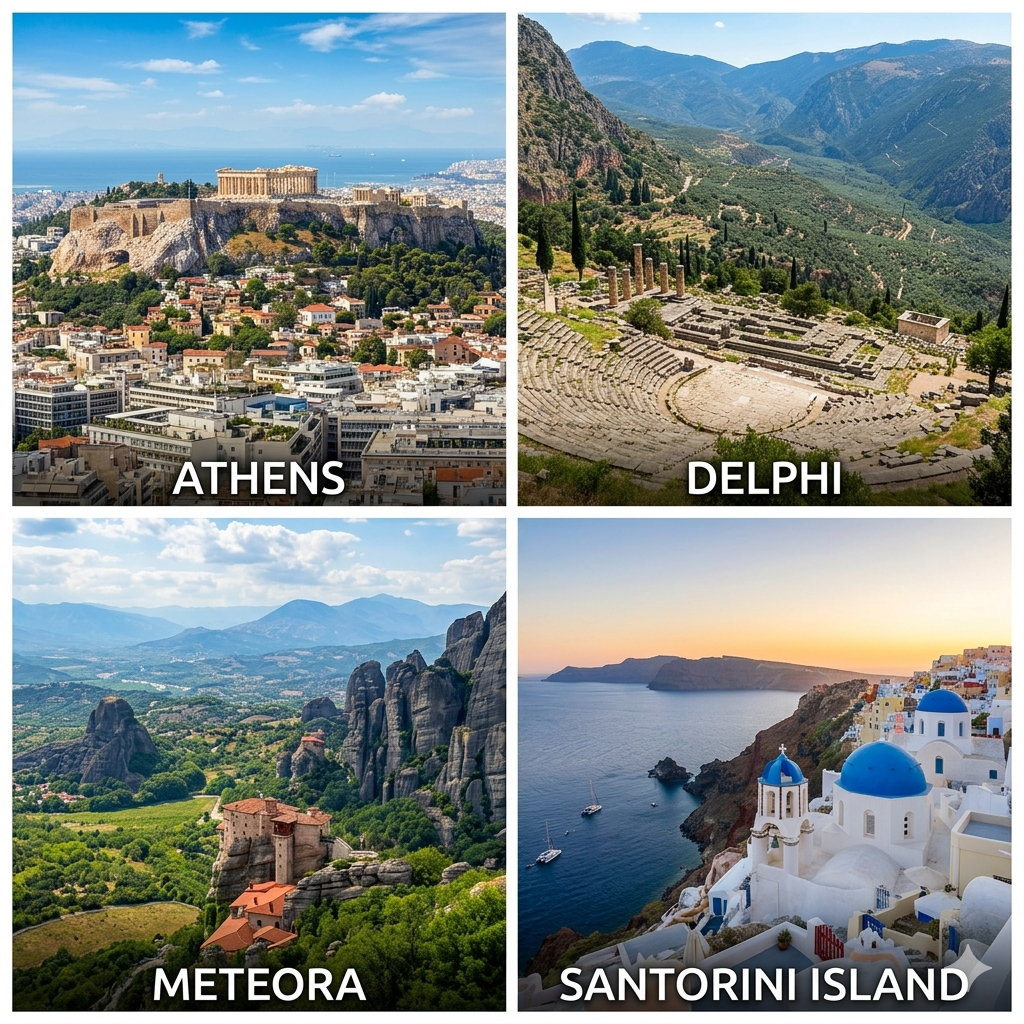
Athens is where ancient civilization meets vibrant Mediterranean energy. As the birthplace of democracy and Western philosophy, the city offers layers of history within walkable distances and blends iconic ruins, rooftop bars, seaside escapes, and buzzing neighbourhoods.
Best for: History lovers, culture seekers, architecture fans, foodies, photographers, and first-time European travelers.
Acropolis of Athens
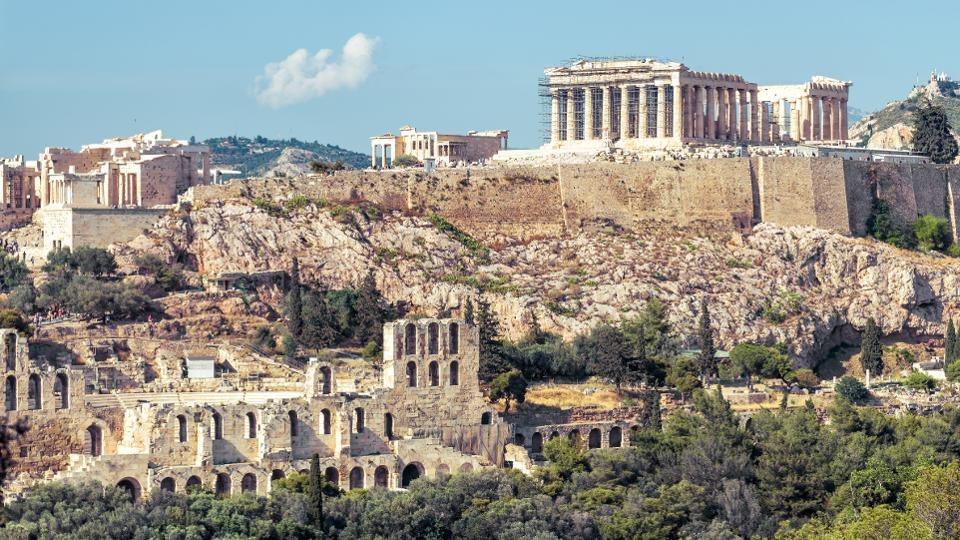
The iconic hilltop citadel of ancient Athens, home to classical masterpieces from the 5th century BCE and symbol of Western civilization.
The Architects and Sculptors
The massive reconstruction project was overseen by the statesman Pericles. The primary masterminds behind the artistry were:
• Pheidias (Phidias): The most famous sculptor of antiquity. He was the artistic director of the entire project and personally created the colossal gold-and-ivory (chryselephantine) statue of Athena Parthenos that once stood inside the Parthenon.
• Ictinus and Callicrates: The lead architects responsible for the design of the Parthenon.
• Mnesicles: The architect of the Propylaea.
Visitor Tips:
• Arrive at opening (8 AM) to avoid heat and crowds.
• Wear sturdy shoes (slippery marble).
• Allow 1.5–2 hours.
• Buy combo archaeological ticket online.
Suggested Tour Flow Position: Start of Day 1 (early morning).
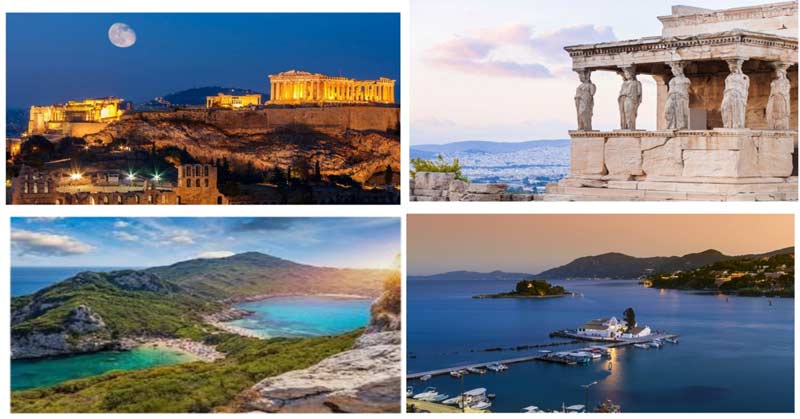
Dedicated to the goddess Athena, this ancient temple is the masterpiece of classical Greek architecture. Constructed between 447–432 BCE, it represents harmony, proportion, and architectural perfection
Visitor Tips:
• Walk around the full perimeter for best perspectives.
• Best photos slightly downhill, not front-on.
Tour Flow Position: Within Acropolis visit.
Erechtheion
Famous for its Porch of the Caryatids—six sculpted female figures serving as columns—the Erechtheion was dedicated to both Athena and Poseidon and reflects the religious complexity of ancient Athens.
The Propylaea
The monumental gateway to the sanctuary
The Temple of Athena Nike
A small, elegant Ionic temple celebrating victory
Odeon of Herodes Atticus
A stunning Roman-era stone theater still used for concerts and performances today.
Visitor Tips:
• View from Acropolis slopes.
• Attend a summer performance if possible.
Tour Flow Position: During Acropolis descent.
Acropolis Museum
A modern architectural masterpiece displaying original Acropolis sculptures and artifacts. One of the best 10 museums of the world
Visitor Tips:
• Visit immediately after the Acropolis.
• Don’t miss the top-floor Parthenon Gallery.
• 1.5 – 2 hours recommended.
Tour Flow Position: Late morning Day 1.
Temple of Olympian Zeus
Once one of the largest temples in the ancient world, this colossal structure was dedicated to Zeus. Although only 15 columns remain standing, they convey the monument’s original grandeur.
Visitor Tips:
• Quick stop (30 minutes).
• Great photo angle with Acropolis in background.
Tour Flow Position: After Acropolis Museum (walking distance).
Arch of Handrian
A Roman triumphal arch marking the boundary between ancient Greek and Roman Athens.
Visitor Tips:
• Best photographed early morning.
• Quick 10-minute stop.
Tour Flow Position: Combine with Temple of Olympian Zeus.
Ancient Agora of Athens
The heart of public life in ancient Athens, the Agora was a marketplace and political center where philosophers like Socrates once walked. It includes the remarkably well-preserved Temple of Hephaestus.
Visitor Tips:
• 1 hour visit.
• Less crowded than Acropolis.
• Combine with Monastiraki exploration.
Tour Flow Position: Afternoon Day 1.
Panathenaic Stadium
Entirely built of marble and host of the first modern Olympic Games in 1896.
Visitor Tips:
• 30–45 minutes.
• Walk the track and stand on the podium.
Tour Flow Position: Morning Day 2
Syntagma Square
Athens’ central square in front of the Hellenic Parliament.
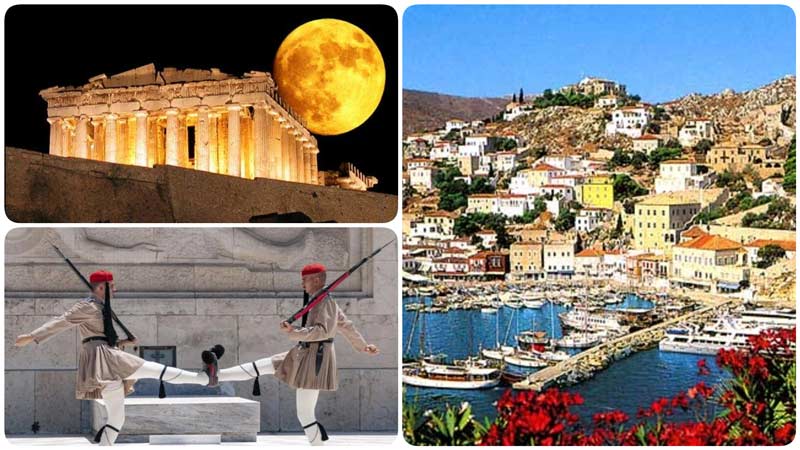
Highlight: The ceremonial changing of the guard by the Evzones in traditional uniform.
Visitor Tips:
• Changing of the guard every hour; full ceremonial Sunday at 11 AM.
• Arrive 10–15 minutes early for good viewing.
Tour Flow Position: Late morning Day 2.
Three grand neoclassical buildings: the Academy, the University, and the National Library — symbols of modern Greek identity.
Visitor Tips:
• Quick exterior photo stop.
• Best lighting mid-morning.
Tour Flow Position: After Syntagma (short walk).
Athens’ oldest neighbourhood with charming alleys, neoclassical homes, tavernas, and souvenir shops.
Visitor Tips:
• Ideal for lunch or dinner.
• Wander without a strict plan.
• Visit Anafiotika (hidden Cycladic-style quarter).
Tour Flow Position: Evening Day 1.
A lively district known for flea markets, street food, rooftop bars, and views of the Acropolis. A historic square surrounded by Byzantine churches, Ottoman-era structures, and flea markets. It’s an ideal place to experience the layered history of Athens in one spot.
Visitor Tips:
• Great for sunset rooftop drinks.
• Best area for souvenir shopping.
Tour Flow Position: Combine with Ancient Agora.
Food Recommendations
Must Try:
• Souvlaki
• Moussaka
• Greek salad
• Grilled seafood
• Loukoumades (Greek donuts)
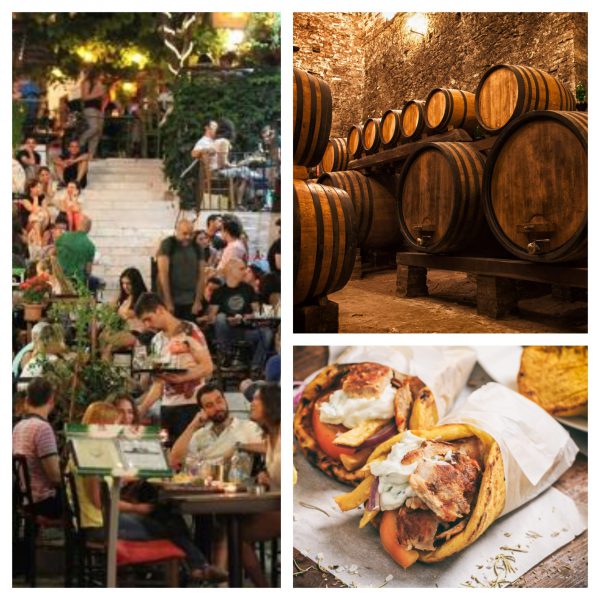
Best Food Areas: Plaka, Psiri, Koukaki, Monastiraki rooftops.
Best Time to Visit
• April–June (ideal weather)
• September–October (warm sea, fewer crowds)
• Avoid midday July heat
Transportation
• Metro is clean and efficient.
• Most major landmarks are walkable.
• Taxi apps widely available.
Travel Tips for Visitors
• Best Time to Visit: April–June and September–October (pleasant weather, fewer crowds).
• Tickets: Consider a combined archaeological ticket for multiple major sites.
• Getting Around: Most historic landmarks are within walking distance in the city center.
• Sun Protection: Summers are hot—bring water, sunscreen, and a hat.
Athens is more than ruins—it’s a living museum where every corner tells a story of democracy, mythology, art, and civilization. Whether you’re passionate about history or simply curious about ancient cultures, Athens offers an unforgettable journey through time.
Here is a well-structured Athens Sightseeing Tour itinerary . It follows a logical route through the historic center and combines ancient landmarks with neoclassical and modern highlights.
A Journey Through Ancient Glory & Modern Heritage
1. Syntagma Square & the Greek Parliament
Hellenic Parliament
Located in Syntagma Square, this neoclassical building was originally the Royal Palace in the 19th century. Today, it houses the Greek Parliament and stands as a symbol of modern Greek democracy.
Changing of the Guards Ceremony
In front of the Parliament lies the Tomb of the Unknown Soldier, guarded by the elite Evzones in traditional uniform.
• The ceremonial changing of the guards takes place every hour.
• The grand ceremony with full procession occurs every Sunday at 11:00 AM — highly recommended for visitors.
2. The Athens Trilogy (Neoclassical Masterpieces)
Located along Panepistimiou Street, this trio represents Greece’s intellectual revival after independence.
National and Kapodistrian University of Athens
Founded in 1837, it is the oldest university in modern Greece.
Academy of Athens
Greece’s highest research institution, inspired by ancient Greek architecture.
National Library of Greece
Originally housed in this neoclassical building, it reflects the country’s dedication to knowledge and scholarship.
3. Panathenaic Stadium
Also known as Kallimarmaro, this magnificent all-marble stadium hosted the first modern Olympic Games in 1896. It stands on the site of an ancient stadium used for the Panathenaic Games.
4. Arch of Hadrian
Built in 131 AD to honor the Roman Emperor Hadrian, this marble gateway symbolically separates the ancient Greek city from the Roman city.
5. Temple of Olympian Zeus
Once one of the largest temples in the ancient world, dedicated to Zeus. Its towering Corinthian columns illustrate the ambition and scale of Roman Athens.
6. Ancient Agora & Temple of Hephaestus
Located in the Ancient Agora, this is one of the best-preserved ancient Greek temples, dedicated to Hephaestus, God of metalworking.
7. Plaka
Known as the “Neighborhood of the Gods,” Plaka is Athens’ oldest district. Wander through narrow streets lined with neoclassical houses, traditional tavernas, small museums, and artisan shops.
8. Monastiraki Square
A vibrant, picturesque square blending ancient ruins, Ottoman influences, and lively markets. It’s the perfect spot for souvenirs, street photography, and enjoying the lively atmosphere.
Suggested Tour Flow (6–8 Hours)
- Syntagma Square & Changing of the Guards
- Walk to the Athens Trilogy
- Drive or walk to Panathenaic Stadium
- Continue to Hadrian’s Gate & Temple of Olympian Zeus
- Stroll through Plaka
- Explore Ancient Agora & Temple of Hephaestus
- End in Monastiraki for shopping or dinner
Helpful Tips for Visitors
• Arrive early to secure a good viewing spot for the Sunday guard ceremony.
• Wear comfortable walking shoes — much of the tour is on foot.
• Bring water, especially during summer months.
• Combine the Ancient Agora visit with Acropolis exploration if time allows.
This tour offers a perfect balance of ancient history, Roman influence, neoclassical elegance, and vibrant local life, giving visitors a complete picture of Athens in one unforgettable day.